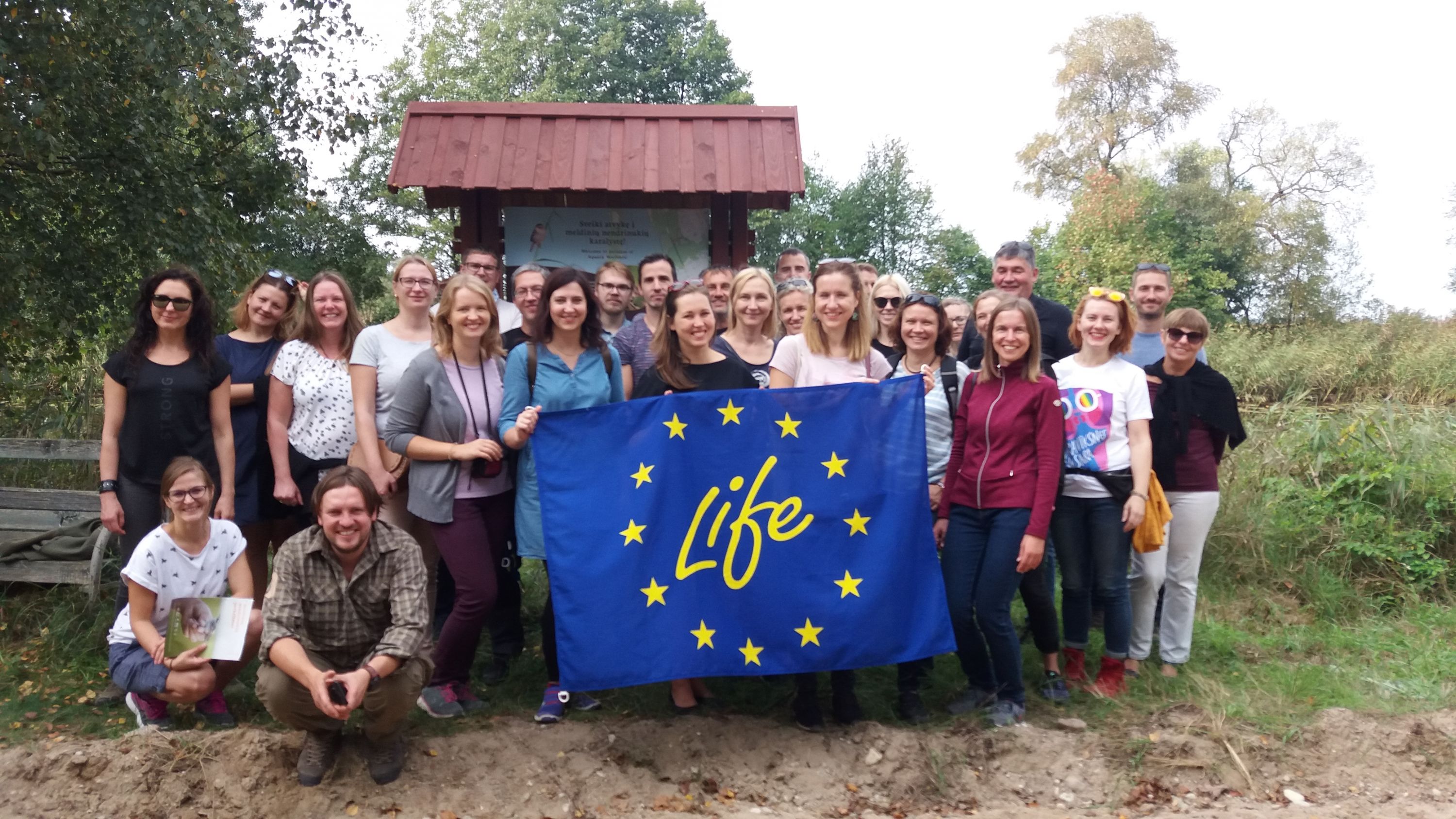
Yearly Baltic networking meetings for running Baltic LIFE projects (BNM) were proposed in the project in order to support exchange of information and experience on implementation of LIFE projects and building the capacity for LIFE programme implementation in Baltic States. In 2018 the scope of the meeting was widened to include other countries from the Baltic Sea region, in order to ensure a wider network of cooperation and better understanding of the programme in other countries. The third BNM was held on 20-21/09/2018 in Klaipeda, Lithuania, in collaboration with the Lithuanian capacity building project. The meeting brought together 32 participants representing LIFE projects (including three capacity building projects), as well as Danish, Lithuanian and Estonian LIFE NCPs.
The event started with a session for CAP projects and NCPs – this was an opportunity for everyone to become better acquainted with their colleagues in other countries as well as share experience in implementing the programme – this was particularly useful to the Danish participants, as this was the first year they were attending the meeting. This session was followed by the so-called “country presentations”, a new format replacing previous project presentations in order to allow each country to present what they consider the most important information. Representatives from each country showed the progress of the LIFE programme as well as most interesting or newest projects, as well as talked about the future.
The next session was group discussions on three topics – Integrated projects, EU Added value and AfterLIFE. Participants had a chance to discuss their plans, hear other countries’ experiences and clarify unclear terms. These group discussions were then presented to the rest of the group followed by an open discussion. The open discussion started with talking together about the group session and then developed into a more detailed conversations about specific project issues, methods in preparing project proposals, challenges in implementing projects and managing partnerships.
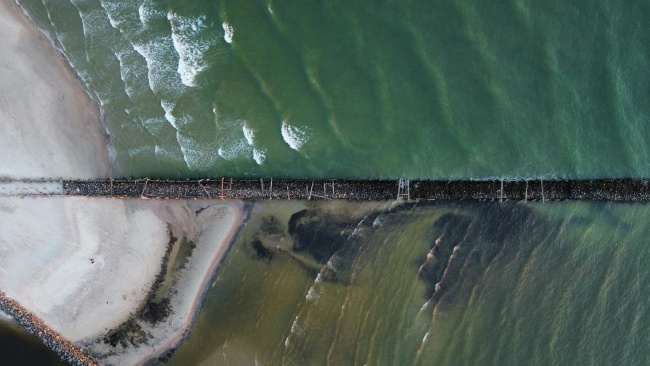
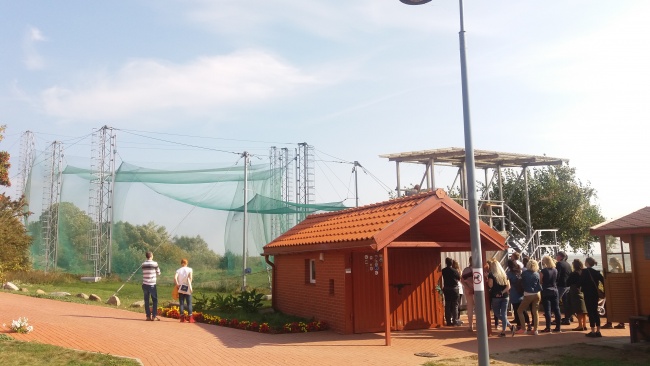
The second day of the event was reserved for a field trip to LIFE MagnDucatusAcrola project – the newly opened biomass processing plant as well as the project site – habitat of the aquatic warbler. The project leader explained the processing of the biomass, the future uses, market placement, as well as how it plays into the preservation of the aquatic warbler and its place in ecosystem. After visiting the project site, the field trip continued at the Ventes Ragas Ornithological station where the group was given an educational excursion in the museum as well as a chance to see how migratory birds are monitored and registered.
Materials from the meeting are available upon request, email [email protected]